 Amazon Music
 Deezer
 TuneIn + Alexa
 iHeartRadio
 PlayerFM
 Listen Notes
 Podchaser
 BoomPlay
Defense is no longer cyclical. It's a structurally growing market.
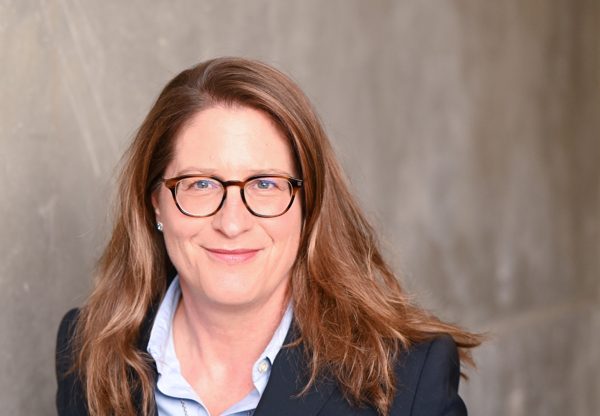
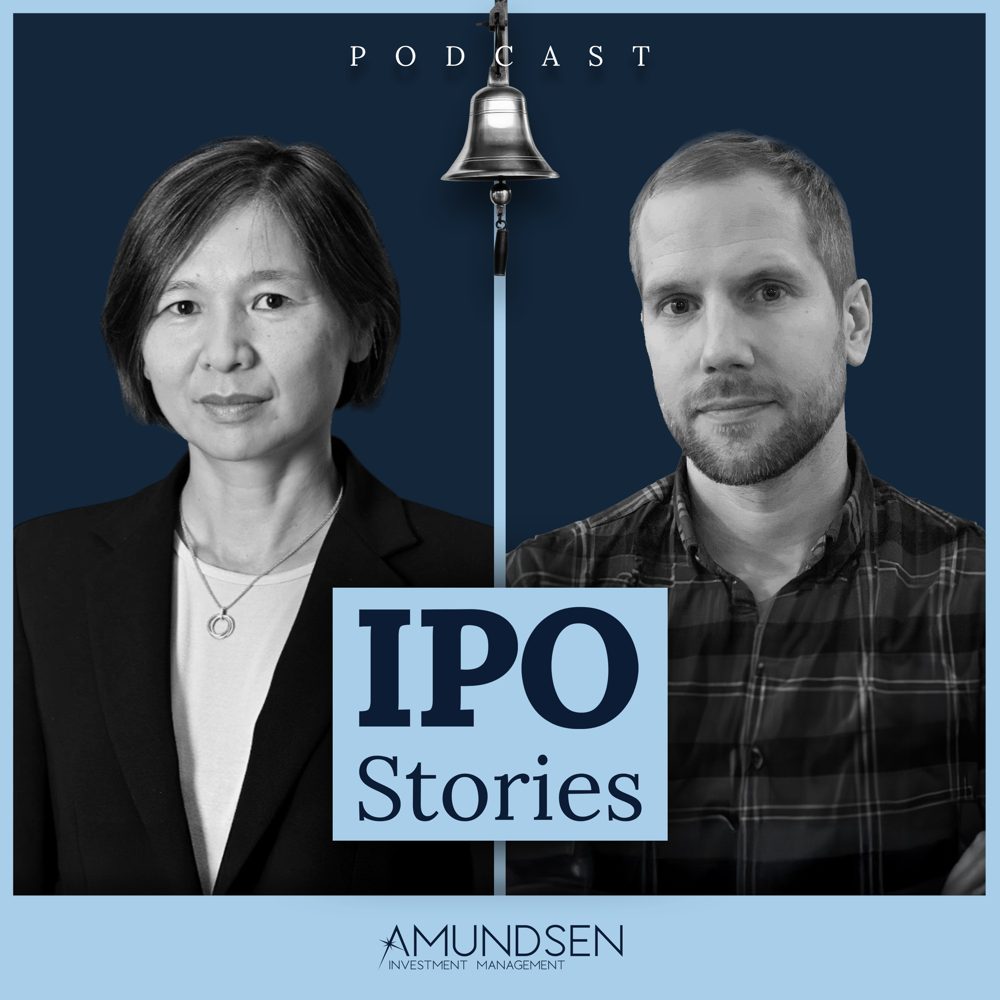
In this episode of IPO Stories, we speak with Susanne Wiegand and Christian Schulz, former CEO and CFO of RENK, one of Europe’s most important defense suppliers. RENK, a 150-year-old German industrial company specializing in high-performance transmissions for tanks and naval vessels, listed in Germany in February 2024 and is now valued at over €6 billion, with shares up more than 300% since the IPO. The listing came at a moment when Europe’s security environment — and investor perception of defense — was undergoing a profound shift.
Susanne and Christian describe how geopolitics fundamentally reshaped RENK’s strategy, investor base, and capital structure. Defense was no longer a niche or cyclical business, but a long-term structural growth market. Independence mattered. Speed mattered. And access to public equity became essential to scale capacity, invest ahead of demand, and remain a neutral supplier to all major primes. The episode offers a rare inside view into how leadership teams must sometimes move faster — and think more clearly — than both advisers and markets.
Beyond the transaction itself, this conversation is about judgment under pressure. How do you educate investors when sentiment lags reality? How do you build conviction in a misunderstood sector? And what does it really take — culturally, operationally, and personally — to lead a company into public markets when history is moving faster than capital markets? This is an episode about leadership, credibility, and why Europe’s defense industry is entering a fundamentally new chapter.
Disclaimer: The discussion in this episode is not financial advice, nor an investment recommendation, nor a solicitation to buy or sell any financial instruments or an offer for financial services or any other transaction. The information contained in the recording has no contractual value and is intended for informational purposes only. Amundsen Investment Management and the participants in this podcast may have holdings in the companies being discussed. Any views expressed are those of the guests only, and not of Amundsen Investment Management.
Susanne Wiegand served as CEO of RENK Group AG from 2021 until early 2025, leading the German defense technology company through its February 2024 IPO on the Frankfurt Stock Exchange, during which the business doubled its revenue and quadrupled its operating profit under her tenure.
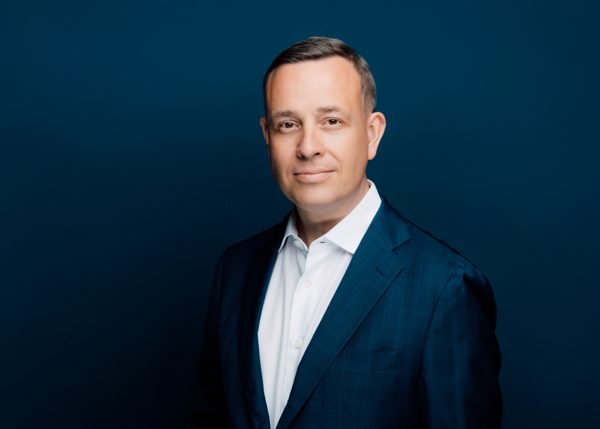
Christian Schulz served as CFO of RENK Group AG, the German defence manufacturer, where he led the company's IPO on the Frankfurt Stock Exchange in 2024. He has since joined the board of directors of KNDS, the pan-European land defence company, where he brings his IPO and defence-industry expertise to support its planned listing.
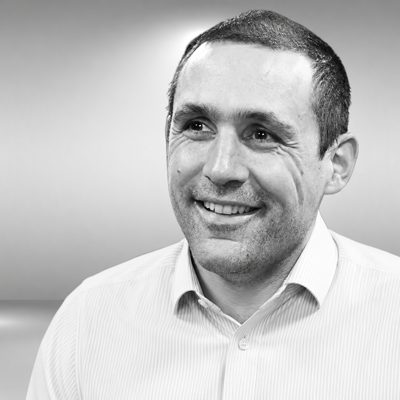
Gautier is co-founder and CIO of Amundsen Investment Management. Prior to founding Amundsen in 2021, Gautier was a Senior Portfolio Manager responsible for overseeing NBIM (the Norwegian Sovereign Wealth Fund)'s IPO investments and Equity Capital Markets activity. He started his career at BNP Paribas and as an ECM banker at Goldman Sachs before working as an investment manager in the French private equity fund Activa Capital. Gautier has a degree in Accounting & Finance from the London School of Economics and a Master in Business Administration from INSEAD.
Transcript
Auto-generated
Susanne: It was, for me, clear from the very first moment that we have to increase capacity, that we have to focus on defense, that we have to help. We found out, that some investors, specifically in Frankfurt in Germany, were very hesitant.
Christian: As hard as it was, Susan, we pulled the plug even while we were dressing up the stock exchange in Frankfurt, which was certainly an unpleasant experience. We came to The US. They said forget about the civil stuff. Let's talk tanks.
Susanne: The market is not cyclic anymore, but it's a structurally growing market. Three, two, five.
Participant 3: Hello, and welcome to IPO stories, a podcast that explores the tracks to IPOs for companies and their stakeholders.
Gautier Rousseau: Through interviews with professionals who led companies to public markets, we will learn about what it takes to IPO a business, the dos and the don'ts before, during, and after a listing process. I'm Gauthier.
Participant 3: I'm Per, cofounders of Amundsen Investment Management, a Europe based equity manager. Today, we're joined by Susanne Wegandt, the former CEO of Rank and Christian Schulz as former CFO, to the custody IPO journey of one of Europe's most important defense suppliers. RENK is a 150 year old German industrial company specializing in high performance transmissions for battle tanks and naval vessels operating at the center of Europe's rearmament and defense modernization. Rank listed in Germany in February 2024 after a first failed attempt in October 23.
It's now valued at more than €6,000,000,000 with shares having appreciated by more than 300% since the IPO. In this episode, we explore how Rank chose to go public, the challenges of listing a defense company amid shifting geopolitical sentiment, what went wrong with the first IPO attempt, what changed in the second, and the key lessons for leadership teams considering an IPO in today's defense environment.
Before we start, we would like to remind our listeners that our discussion is not financial advice, nor an investment recommendation nor a solicitation to buy or sell any financial instruments or an offer for financial services or any other transaction. The information contained in the recording has no contractual value and are destined for an informational purpose only. Amundsen Investment Management and the participants in this podcast may have holdings in the companies being discussed.
Gautier Rousseau: Suzanne, thanks for joining us on the show today. Very happy to have you with Christian. Maybe I'll start with you, Suzanne, if you can tell us a bit more about Rank and the origins of the company, please.
Susanne: Yeah. Absolutely. And great to be here. Thank you for the invite, also together with Christian. It's big fun. Yeah. Ranked rates great company, more than 150 years old. So the company dates back to 1873, very proud traditional company, and has always been taking care of transmissions. Transmissions for defense applications, predominantly for tanks, but also for navy vessels. And what RANK is all about is special transmissions. So when power density is extremely high, when it's about high torque or height speed, So those applications are the specialties of RAC.
Gautier Rousseau: And that applies to defense and industrial applications. And when did you join as a CEO? And at that time when you joined, what was exactly your mandate for the company and the shareholders?
Susanne: I joined back in May 2021. Just for all recollection, this was a time when there was no war in Ukraine. There was no war in Gaza. So different times, the company came out of a big conglomerate as a so called non core asset from the Volkswagen MAN environment. And, my mandate was basically to grow, to transform, to bring agility into the company, to set an appropriate level of ambition, to find out what is the strategy and the full potential of the company, to go international.
So all of those things were on our agenda and the revenue split was fiftyfifty defence and civilian applications. The company was, for many, many years, not run by speed, ambition, and agility. So the big headline for the mandate was wake up call, full potential, growth.
Gautier Rousseau: As you say, at the time, no war in Ukraine, but then one year after it actually happened, has the ambitions to be public and to IPO was it day one when you joined and you knew you'd be a public company, or what happened in the geopolitics and the world actually has accelerated this IPO plan?
Susanne: That morning, I can recall precisely where I was when I heard the news. I think life has changed for all of us, honestly, and certainly also for rank. So when I came in the morning in the office and there was the war in Ukraine, it was for me, clear from the very first moment that we have to increase capacity, that we have to focus on defense, that we have to help, and that this will also change the company dramatically. And nobody said straight away, let's prepare for an IPO so the world has changed.
I think this came out in the course of the development of the company, of the transition, of the growth, of also understanding the options and the new geopolitical situation. And it was clear then that the business would shift to defense. Defense would have more important role in the company. Revenues increased, much faster and significantly in comparison to the civilians.
It became also clear that the company would not just have a special time of growth in front of us, but it was also clear that we need to keep rank independent to follow the business model, to serve all the primes for tanks, for ships, and and not be, let's say, allocated in in one corner, in one pocket.
Gautier Rousseau: Interesting. So the idea was to stay independent, not go too strategic. What happens in the in Ukraine and the war has accelerated, obviously, the development and the growth of the business, and so you view the the public market as a very natural route then for the exit for Triton? That was the the only option you considered at the time?
Susanne: It was by far the best option, so to extend the PE phase was no reason to do so. Probably on Excel sheet, it would have worked, but was transition, which we have done with rank, was so fast. So there was now clearly that we have to enter the next phase of development. A strategic buyer would have somehow blocked rank from following the business model which we had, and the market share is super high in rank.
So I would say the IPO was the natural way for independency, but also to finance the growth with equity and not with debt.
Gautier Rousseau: And any potential concerns you had when you took this decision to go ahead with the public route? I can understand the benefits that you mentioned for financing and for independency, but when it comes to concerns of being public as a defense company.
Susanne: My first initial thought was we have a tough way in front of us to make such a company capital market ready in terms of governance, in terms of processes, in terms of transparency, and also in terms of managing the business according to quarterly results and forecasting, which was not at all the process before, neither under MA and Volkswagen nor in the PE world. It was a big job for all of us to give the company clear strategy, clear profile.
We had lots of work to do with respect to communication, internal and external, and prepare the entire company for capital market readiness. And I have just seen this mountain in front of us of work, and this only works with a great team. Otherwise, you are lost.
Gautier Rousseau: And so, Christian, when you joined two years after in '23, was the company hype already? As as Susan just mentioned, the work was done.
Christian: I wouldn't say the work was done. I would say without Susan, the company wouldn't have been ready to IPO even if she would have been technical ready. When I came in, we sat together, Susan and me. She found me in Tuttgart on a rainy day. She said, defense is important. Wouldn't you wanna join the team? And that's what I did. She's a very convincing person. And then we were sitting together, and we had a view. And since I've done the trade in IPO before, I I certainly knew where to look at.
And let's differentiate two perspectives. One is the pure technical readiness. That means accounting, reporting, the compliance side, internal control over financial reporting, these kinds of things that you just need as the mandatory things to be listed. There was progress. We needed to accelerate that. We got some external help on the accounting side. We hired a new head of accounting, which is now my successor, Amya Mencipe. She's running the company as CFO today. Great hire.
Investor relation was something which didn't exist and which we also have taken the decision to take Ingo from the analyst side and and we're happy to get him on board. So from the perspective, technically, we were good underway. We needed to accelerate that we were able to do this until the October 1 attempt of the listing. And the second part which then when the market turned against us was a little bit a problem was the structure of the investors that the banks have introduced to ranks.
So usually you start let's say six to nine months early on, you have a proper position of long onlys and, of course, a certain portion of hedge funds, which you need for liquidity. But if you have many, many hedge funds and not so much long only demand combined with what you have said, Gauthier, on the ESG topic, then you basically depend more on the markets which we then, Susan, experienced directly around the days of October 2023. So company was ready in a good part. We needed to accelerate, and we were completely ready by October 23.
But on the investor side, we would have loved to have two or three more months to build up the shadow book, which we then did in the in the second attempt exactly.
Gautier Rousseau: You had two attempts. You have first attempted in October 23. Are you saying that it was a lack of engagement from the right investors that forced you to pull the IPO at the time?
Christian: I think it was a combination. The company didn't do the IPO before, so they went to see investors that were proposed by the banks. It was over the summertime. Usually, you have Swedish long only spending some time in their vacations. Then you have the Germans looking on ESG. So what I wanna say is you end up meeting hedge funds, and hedge funds are like they are when you then come into difficult waters market wise, which we did in October 23. We were on roadshow. Then over the weekend, the US Congress stopped the aid for Ukraine.
Then you've got an interest rate move on Monday. And on Tuesday night, the evening before listing, McCarthy was chopped in the house. And on Wednesday morning, investors in The US started withdraw from their inputted orders, and the owner would have been in the decision to say, let's do a five or 10% free float kind of exercise. And Susan and me and also the owner three times by the side said, this is not worth doing it.
And as hard as it was, Susan, we pulled the black even while we were dressing up the stock exchange in Frankfurt, which was certainly an unpleasant experience.
Gautier Rousseau: Very interesting. That was your first experience with the public market and the change in sentiment, I guess, and volatility as well of expectations, how you would perform in the event there is a peace agreement or The US stop obviously funding Ukraine as well. I I guess I expose you to the news flow in the defense sector.
Christian: And the other way around because two days later, as Susan has said, Hamas went into Israel, Stock market for defense went 20% up, and then the same people called and said, why didn't you list?
Susanne: And please come back fast.
Gautier Rousseau: And please come back which you did because you came back in in February, so what, four months after. What was the the approach when you decided to release? What did you do differently, Einar? And when you work with your advisers and as a management team, what did you decide to do differently?
Susanne: We took a deep breath and decided after forty eight hours, either we come back fast or not. This was the learning curve of what do we have to do to make us more resilient against market moves. This was, first, the learning curve because all went well, but the market at the end of the day in the last twenty four hours weakened our book, so we we understood what we need to do. First, we looked for cornerstone investors, quality cornerstone investors, which I think changed part of the resilience to the better of the book.
Then we were sitting together with with Ingo, our head of investor relations, and we said, okay. What is our target book looking like? What should it look like? So with respect to a proper balance of regions, so a good mixture of continental Europeans, Nordic, US investors, what is the right balance between long onlys, fundamental hedge, and hedge? And then what are the names behind? Because in the course of the last weeks, I think we had quite a big fan club.
And we said, so let's build the target book, and let's very consequently and dedicated work into that target book to make it happen. So this was the point when we said, okay. We secure cornerstone investors, which we didn't have before for the first attempt. And we build up that target book, which was less US hedge fund heavy, I would say. And then we decided to take out the risk of the public market and the time where you have after the ITF the book open for ten, twelve days.
So we reduced the market risk down to two days. I think this entire setup then was the success factor for a fast second attempt, which we did honestly in the team without consulting to the advisers. Because all the advisers said, no. It's not possible. Within three, four months, you can't come back. You cannot open the IPO market with rank as a defense asset in in the February. This is all not possible.
And, also, I think our owners, our financial sponsors, were very much influenced by the advisers and the banks, and everybody told them this is not possible. And we said, we believe in it. We think we can make it. So we got that chance, so to say, and it happened, and it worked out.
Christian: And I think it's what Susan has said is also a sign for the good relation between the management and the owner because it was an unpleasant experience for treatment as well, being exposed not doing it. We were sitting together. The adviser said, look. Earlier, you can go in the in the, let's say, autumn of next year. The market is not there, or you need to do a restructure deal with less prices, and then they might do it. And we basically what Susan has said, we've done a non deal roadshow. So the glucose were on pause.
We've got a helping hand from one financial adviser, but mainly Susan, Ingo, and myself. We met around a 160 investors in ten weeks' time. We also then driven by Susan's relation to Frank Hound, the CEO of K and DS by the time wanted to secure the Shadow Book Offense with a strategic corner investor, which we found there. And this was also the argument that Susan has referred before.
If you would have waited another year, it would very well easily could have happened that the strategic buyer comes in, gets the asset, the financial Spencer would have sold out of the experience of an IPO, and then basically the independence, which we still believe even today when we are not part of the management anymore would have been gone.
Gautier Rousseau: It's very unusual as an IPO stories because obviously management here has led the effort in the in the second attempt. Fundamentally, would assume that nothing has changed in the business between October and February. I mean, I remember, I think, that you were communicating a €5,000,000,000 backlog. Right? So five years of revenues. That doesn't change.
Christian: The only thing what has changed is confidence of investors because as Susan has said, after forty eight hours, we said we might do a quick return. So we just reported our Q3 financials as if we would have been listed. So we made a call. We invited analysts and investors. Some even came driven by the events of October 7. And basically, showed them, look, we have a third quarter.
Then in the prospectus, we we got a a result estimate and the and the result outlook for the next year, which gave them confidence on how the order book as you have said, Gucci, would have transferred into revenue and with the, let's say, support of actuals. It's the best credential you could have. Susan is a natural force as the CEO. So she really rattled the the cage also in the financial community.
I will never forget one big meeting with a couple of 100 invited guests and a big bank and the people were saying, yeah, you pulled the IPO. Why wasn't it? And Susan was saying on stage, look. You guys here are a risk to our security. If you're a defense startup, you cannot even open up a bank account.
Susanne: Right. The equity story didn't change, but the confidence and the comfort for the investors to see us one more often, to see that we deliver what we tell them, what we promise, what we forecast comes actually into figures. I think this was valuable in that time in between. I think investors always buy not just the equity story and the colorful PowerPoints and the nice financial KPIs, but also in combination with the team. So and we had a few weeks more time to familiarize and to get to know each other better, which I think was valuable.
Then, also, I think we need to be fair with the attack of Hamas and Israel, specifically, I would say, in Germany. Perception with respect to defense has also changed. So the ESG argument was much lower and less an issue on obstacle than in the first attempt.
Christian: What also was giving confidence to the investors was the behavior of the owner, the PE fund, because what they've done is they did not meet the expectations of the equity investors that they screw the case and and squeezed the Citroen. So what they basically said is we're gonna exchange people on the board. We get independence in, which is a sign, towards equity markets. Secondly, they settled the shareholder loan with us. We just paid half of that back. The rest was contributed in equity, so they strengthened the balance sheet of the company.
And the third point was there was a decision taken to leave the price from the first time, which was the €15 stable even if market segments have been up 20%.
And one could have easily said, now let's increase to $18.19, 20, and and the investors have recognized it because as you know, after three months, the glucose have waived the lockup and then within a year, basically, a three ton could sell down and also the markets then have taken credit for them and they're giving credit to them in the further sell downs that they did it in the right way. So it was, Jose, in a way, the second attempt was like a textbook. And at the end of the day, many people were happy.
The new owners, the old owners, the management team, the people. Triton even has given payment to the people together with the union. So even people in production benefited it. So it was it was all good.
Susanne: There are only winners in that game. Only winners.
Gautier Rousseau: There's probably a lot of lessons learned on the web, but there's one conclusion which seems to be may maybe you should have spent a bit more time or have more visibility before the first attempt in terms of where the real demand, where the real investors are appetite. Having a cornerstone, as you say, before going out there without having much visibility, is that fair? Obviously, is macro and geopolitical considerations, but to what extent you really had enough visibility about the investors' population and interest at the time?
Christian: I would say here because I've done two IPOs and the same with Triton, and the second attempt in Triton as well. So I don't know. It's me. Always needing two attempts maybe. No. I'm just kidding. But I'm a big fan of of cornerstones. I mean, if you talk to banks, some banks say that's good. Others say, ah, cornerstones you don't need. In both cases, in the case of Triton with the Nordic investors, it was good to have them here with the strategic investor K and DS who who knew the company as well.
And then thanks to Susan came on board and Per Einar. So they were a sign for others investors to follow. The other thing is quite honestly, it's about the timing, you know. Banks tell you there's the spring timing, the summer timing, the October timing, and at the end of the day we came on the February 7 where everybody has closed the funds in the year before, has had interest to invest. People were overrunning rank in the second attempts.
We were sitting there literally with a piece of paper and said, how much long only is do we wanna have? Which of the hedge funds do we wanna have? And there, if we would have had six more months, Gucci, in the beginning, I think there we would have had a better attempt. But even if if you are in October and if you have, let's say, the third most important man chopped in the in the house in The US and this all in one weekend, you're still in in high weather.
That's the nature of IPOs, of every IPO. And especially when you are ranked and you are small, a company that is towards 1,000,000,000 revenue, which is a can have for an investor. I mean, this was not the Porsche IPO where every big long only needed to participate in.
Gautier Rousseau: No. But that's a paradox. I mean, you have a long history, industrial player with with highly profitable and a very long, you know, large backlog and long visibility as well. Right? So it's surprising. Suddenly, get caught by the market.
Susanne: Yeah. And, Luthier, when I came at the time, 2122, and you googled rank, There was nothing. The company was not known. Nobody spoke to the company. Although 150 years old, even in the city of Augsburg where we were headquartered, I met people who said, of course, we knew this company rank, but we have no clue what you do. And I think within two years, we built up a level of visibility of people knowing rank and knew also what we do.
So I I don't know, became a little bit the face of rank even so that people spoke to me and said, not my name, but they said missus rank. And, yeah, all of this happened within short period of time. So if we reflect all of this together, I think this, at the end of the day, helped us over the line. But, I would say the crucial success piece was definitely the team.
Christian: If I can, I would like to add one point on what Susan has said? Look, also, we could see that investors have grown a dart when it comes to their role to securing security. I mean, when when we did the trade in IPO by the time, all our investor advisers, banks and lawyers and everybody said sell off rank because rank was part of the Amerian Empire. It was listed but, you know, with a not a very liquid share and we we owned rank as we owned diesel turbo, Avalanche now also in Augsburg.
And by the time advisers said tanks, main battleships, Nobody will buy your share whatsoever. Yeah? So we sold it off for Buchare, used to Volkswagen, and Volkswagen finally now kept Avalanche so far, and they sold off a rank to to treat on an hour. And the first attempt, as Susan has said before, when we were in Frankfurt, we we got only one or two investors talk to us with big concerns, as you have said, Gauthier, on the ESG. When we went to The UK, it was better.
They still wanted to understand the civil business and the wind. When we came to The US, they said forget about the civil stuff. Let's talk tanks.
Susanne: Let's talk tanks. This was the sense in we have heard 100 times.
Christian: And this has changed. And also we've taken the opportunity driven by Susan's network also into the defense and geopolitics community. We've basically organized independent calls for investors to educate themselves, not listening to us selling the company and the shares, but really to independent institutes to get raise all their questions and get educated on what's getting on in the world. From today's perspective, this is normal because investors are two and a half years, let's say, with their knowledge in the market by the time it was appreciated.
And I think this is also something one needs to keep in mind. If you see the new owners as your new owners, like your old one, not like some investors buying your shares and selling it off, that makes a huge difference between the relation between investors and the management team, I would say.
Susanne: The investors had to understand that defense changed to a structurally growing market in the next ten years, and there was lots of uncertainty in the beginning. So if there is a cease fire or something is changing, then everybody goes back to the old world, stops spendings or reduce spendings again. And I think this geopolitical education of what's going on, not just the war is back on in in Europe, but also The US position, The stability of NATO has caused lots of uncertainty still today, I would say.
But there is less doubt in the fact that Europe has to put its act together, has to invest, and that you cannot, even if you put lots of money into the system, come back to a status within two, three, four, five years of thirty years underspending.
Structural understanding of thirty years need to be recovered, and it will at least take ten years to spend that money we have to spend to re equip the forces in Europe to a, I would say, minimum level of what we need to come back to credible deterrence and the ability to defend ourselves without the huge support of The US. I don't say it will go to down to zero, but what we see actually every day is that The US are going out of Europe and and concentrating on the Indo Pacific on other topics.
And and that's why Europe has not just to catch up the underspending of the peace dividend phase of thirty years, but also had to compensate certain things which came in the last thirty years from The US. And if you put this together, this requires huge investments over a longer period of time. And the market is not cyclic anymore, but it's a structurally growing market. And this was the piece which we had to also educate the market, the investors, besides Rank's story, besides team, and all of this, but market was, I think, not well understood.
Gautier Rousseau: And it's probably an indication which is still ongoing, to be fair, but but I think there's a realization of that. Do you remember the share of German or European investors at the IPO of rank versus the US investors?
Susanne: The German share, I think, was less than 10%.
Christian: I would say Continental Europe, to add on what Susanne said, so Germany, the the Nordics, some French were like 30%, 30% US, and 30 UK ish.
Gautier Rousseau: In term of the benefit for Rank as a company to be listed, this transparency, does it brings more more contracts, more business with defense and governments when that when you list it, or there's no relationship?
Susanne: Maybe over a longer period of time, but procurement decisions by by customers are not influenced by whether you are listed, not listed, or something. I think what helped is, clearly, we were even more known also within the defense environment. And, for everybody, a listed company is kind of a certificate of transparency, governance, proper processes, a professional entire setup. And you never know if you make deals or business with private companies, what is the level of governance, transparency, compliance processes, and the like?
So if you are listed in Frankfurt prime standard, for example, like rank, so there is clearly a certain level which you have to achieve. Otherwise, you are not there. So I think it's a certificate for certain aspects for quality and proof also that that we are then this helped.
Christian: And it helps to let the company grow adult as well because everything that Susan has just said brings more, let's say, commitment and more structure and more discipline for whatever you do in the company because you report quarter by quarter, investors look on the conversion of the order book into your revenues. They they see if you just collect orders or if you if you really let the company grow, and this has then impact on the whole company.
So Susan has hired from Mercedes who came from automotive in order to also help, let's say, structure processes in in production that helped us as well. And basically, by this we were also attracting people that Rank couldn't have get as a not listed PE company anymore because there's some people with their profile that just join if you are listed. And if you look on the current management team of Rank, I think it's a great team.
All have been hired under Susan's leadership by the time and we've introduced them to the investors early on, so they knew the second level of management, the segment heads. We made a Capital Markets Day, Susan, I would say six months after listing where we have had big demands, 17 analysts who were and were supposed to cover rank and many investors, and we did that on the Munich premises.
And quite honestly, Gauthier, if they then see a 70 ton main battle tank coming around the curve with 70 kilometers an hour doing a full stop, and that's all done by the tank transmission because you brake and you steer by the tank, you understand the precision engineering that is a clear advantage and which could not be copied by anybody else. And I think this was also important to keep on the investor communication after listing above the normal level of a quarterly report for a thirty minute call.
Susanne: I mean, we knew that there will be rather soon ABBs and further sell downs from the financial sponsor, exactly from Triton. And that's why so we we never left the road, and interacted very closely with investors. And I think, also one aspect to add with the listing, the independent board also, I think, make a difference in the perception of a company.
Gautier Rousseau: And in terms of your roles, I mean, you you both left the company since then. I mean, we all understand it's been an intense process. The listing done has been successful. You've been the driving force behind it. But do you think being being CEO and CFO of of a listed company is very different from an unlisted company, and you you felt that it wasn't for you the job going forward, or there were other considerations why you didn't stay around?
Christian: If I can start, Susan, because I left before you. So to answer your question, I mean, was CFO of a listed company for three and a half years in in Kraton by the time, so it's not that I wouldn't have coped with the role, quite honestly. So it was my daily life, and I was used to that. In my case, it was very easy.
I mean, it was an intense time, as Susan has alluded to, and I gained, I think, 16 kilograms in this one and a half years working a lot and then basically just took the decision. I needed a break and look how I look today. I think it was the right decision.
Gautier Rousseau: Perfect. So running running a public company, I mean, Suzanne, from your experience as well, was it very different from what you expected?
Susanne: I loved it, so I would never go back to another structure. If I would ever go back into a CEO role, which I don't know, for me, after thirty years in the front row of management positions, and not just the rank journey was, let's say, exhausting and time consuming, also the other jobs and roles before, honestly. So I I said it's probably the right time to change the way of working. So I ended up now with board mandates. Whether this is the better life, I don't know.
It was for me to experience and to find that out the way back, I think, into a CEO role. It's possible if I want that. I got some offers which I refused. It doesn't feel like I need to go back into that, but never say never. And, that's why I'm learning also now, some other industries, like, as you know, automotive industry, for example. And, I have, I think, quite an interesting mixed portfolio of mandates and supervisory boards, which is a different way of working, which I wanted to find out whether this is is my world.
And at the moment, it feels good. And my rank journey was honestly longer than initially planned. So Triton gave me a three year contract when I joined back in '21, and then we were in the middle of the IPO preparations. Obviously, I prolonged and said the IPO was the best experience in my life, so I don't wanna miss it. I I left it to be also CEO of a listed company. No doubt about it.
But for me, a phase in rank simply after more than four years came to an end, and I said, would like to make that listing. I accompany that phase for one year, so I stayed one year after the IPO. And, it was simply time, for for the next new management team also to take over. They did it operationally a few months before, and it worked super well. So I think it was the right decision also for me to to give them the space and the scene to take over and and to move on.
And so far, I don't regret that.
Christian: And to add on what Susan has said quite honestly, Gauthier, we have contact to investors. They're all happy with the new management team. Alexander Sager, they knew Susan hired him as the COO. And so so it's not that, yeah, Jose, we we we left a crappy company and went away. So there's continuity. Investors are happy, and the current management team under Alexander's leadership is just bringing the company to the next level, which is just nice to see.
Susanne: You know, I'm I'm still a shareholder, Frank, so I have never left the company.
Christian: Same. Same.
Gautier Rousseau: Well, the outlook is promising. I mean, obviously, that's a good transition, you know, the structural shift in defense budgets across Europe, NATO, who are just at the beginning of this very super cycle. We see more defense companies considering to be public. Actually, after you, in Europe listed, Do you expect more private, either industrial owned, family owned, private equity owned companies to become public in the defense space, Suzanne, when you talk into the ecosystem?
Susanne: I definitely expect more to come. Why is it so? Because, all the non listed companies, which typically have, let's say, a more complicated governance structure, they are less agile now in growing, in in making partnerships, JVs, M and A, and the market specifically in Europe also need to consolidate. And, I think the speed has caught up dramatically. So if you see how Rheinmetall, for example, has developed within the last, let's say, two years in comparison to their peers of two years ago.
If you take, other tank builders like Candias, for example, I think Rheinmetall did a great development, and this also thanks to the fact that they are listed, that they have access to equity, and that they have a currency. I mean, you can look any day in your mobile phone the share price, and you are much more transactional than non listed. And then you have families and governments and, I don't know, what shareholders, and they have debates and and emotions and all of this.
And I think in that listed environment, it's much easier to make no moves and, again, to finance the growth also with equity and in a quite healthy way.
Gautier Rousseau: Okay. Agility, speed, more growth and ambitions, I can understand those arguments when when you're public. There's also a change though in in your sector is you have to put forward some CapEx to fund your capacity expansion plans. Right? With honestly a 100 certainty about will the orders eventually come for governments? How will they translate, and when is the sequencing and timing of those orders over time? How do you think those public companies can manage this this mismatch risk around funding now, growth, and CapEx, versus where actually the revenue will start flowing in?
Susanne: Definitely, my experience is investors and capital markets don't like too much big CapEx numbers compromising the cash flow. However, there is, at the moment, the growth need, and I think mid to long term, it pays out. So if I were today a CEO of a defence company, I would take the risk, I would spend CapEx, I would expand, I would buy and do it, and I think one or the other players exactly doing that and it pays out, the cash flows at the moment are good and customers make down payments.
So, also, the system in Germany has changed to the better. So I don't think we should be now too hesitant and somehow miss this wave of market, of opportunity, but make that step into the capacity increase. Honestly, we all need that. And the one who is now able to deliver and is faster than the other is getting the orders. And time and speed is what matters. That's why to be now hesitant and to look for the 100% safe deal, I think, would be a big mistake.
This is very well invested money if you spend some CapEx now.
Gautier Rousseau: And there's also a European dimension to that, I would assume. I mean, being public, you get a currency. You can be, you know, a consolidator. You you can help shaping the the European defense. Do you think that will happen as we see more companies being public, and probably be more ambitious to use balance sheet and currency? Do you expect consolidation in this space, or you think governments will be on the way? We know it's a sensitive topic. Some probably countries are afraid to distant themselves from The US by allowing some consolidation.
I don't know what's your view on that.
Susanne: I would expect that we will see some consolidation in the market. Certain things have happened. Some will happen. We are generally, I think, in Europe, not fast enough with everything what we do. Also, with respect to that, I think what typically, consolidation is driven by the fact when there is pressure on the budget, not much money, and then companies are forced to join, which is not the effect which we have today.
But the sheer time pressure and the amount of what they have to produce will also force them to somehow do something together on all levels. So it it can be a JV. It can be a simple cooperation that one company is sharing its, let's say, recipe to produce a certain type of ammunition under strong NDA and will take advantage of the production capacities of another one because otherwise, you don't get 3,000,000 rounds of something produced in one year. And that's why the time pressure in combination with the extended amounts of whatever we need.
And I think this will force players together. And it's not about one nation is giving up a certain capability and is losing sovereignty and is making it self dependent on a neighbor or an alley, which is a problem. We all grow and increase, but we have to put things together. We have to align on specifications. We need to get rid of these hundreds of versions and configurations of be it platforms, be it, types of ammunition. So we need to come to commonality.
We need to come to speed to ramp up fast, and that's why you cannot just build a new factory which takes two years. And until you have all the permissions and you actually get something out there, it's the third year is over. We need to be much faster, and this, I think, will bring players together, taking advantage of harmonization of versions, model specifications, and create output and and make this on much higher level affordable with a price per piece, which needs to come down again.
Because what we have seen also in the last year when the defense budgets actually were increased, a big inflation effect, I would say. So things became just much more expensive. But if you really count output, so how many tanks have we built more, how many engines or transmissions or rounds of ammunition, is much less than the price increases and the money spent, which we have spent more. So what we see is is really inflation in that system at the moment, which needs to get out.
Gautier Rousseau: And I guess there's speculation, but you don't expect a change in that needs in the event. And, hopefully, there is a peace agreement at some point in Ukraine. But you don't expect that we'll slow down all those investment in CapEx you just mentioned?
Susanne: No. Because we have to rebuild still, and this will take time. And I would expect before peace agreement is maybe a cease fire agreement, and the way from cease fire to peace is a very long way. And that's why I think the word peace, everybody is using it every day. We need to be cautious. I don't want to put too much water into the wine, but I'm not so confident we will have peace tomorrow, and I'm also not so confident that the ambitions and the aims of the Russians have changed.
And I'm also not so confident that ceasefire automatically means that Europe is in a better place.
Gautier Rousseau: This time where German investors didn't want to take a meeting back in 2023 seems long gone now. Right? And the world has changed quite dramatically.
Christian: And some of them are, when we left, the biggest investors in rank as well. And not from a, let's say, only financial perspective, also from the understanding that security is also part of the financial community of the equity markets and the debt capital markets. And you can see it today with all the startups we've we are working with Susan, they have more easier dealing with the banks than they had two and a half years ago.
Gautier Rousseau: So I think we agree there are likely gonna be more companies contemplating a public listing in the defense space. I mean, what advice, both of you, Susan and Christian, would you give to CEOs or CFOs considering a listing based on your experience?
Susanne: Next to the great equity story which you need to have and tailwinds from the market, you need to have a great team, and a great team is consisting or comprising of two things. One is the team is experienced in IPO, so it makes a huge difference if you have Christian on board or somebody who's a great CFO or whatever but has never done an IPO. It's a huge difference. And, also, investors feel in the second you enter the door whether there is a team play or not, and they also buy a team.
And if a management team is not coming as a team, but individuals going to them, it's like a football. I mean, if they don't play together, nothing will come out, which is valuable. So I I think, really, team approach is important next to the good story and integrate and listen to people who have done it, actually. Don't just rely on your advisers and the great banks which you need, and without them, it doesn't work. But they don't make the IPO. They don't make sure or guarantee that the whole thing will fly and is a success.
And that's why I think listening to people who have done it already and integrate them into the team is one of the crucial elements. And my other learning is think early in an early phase of how should your book, which you have to build over time until IPO, should really consist of in the balancing of investors coming from London, New York, Central Europe, Germany, wherever, Middle East. It depends.
So think about the structure of your book and make meetings and dates and familiarize and meet the investors to fill targeted in your book and not just meet somebody who had time by coincidence or who sits in a nice office where the cookies are nice or or something. I mean, I had the feeling retrospectively that we have met investors because of those arguments, or banks could, you know, get on the phone, the one or the other, and put schedule together. But there was no deeper logic, and this is wrong.
I mean, you just spend time on something which makes no sense.
Gautier Rousseau: Yeah. But you have no experience, so you follow the advice. But I understand. I mean
Susanne: Yeah. I learned it later. I mean, they they put the schedule together. It it looks good to you if you have no clue. Somebody who has done all of this before looks one thing and says, okay. This makes no sense. Just here, where are these guys? So Christian knows exactly how how to read a schedule for virtual. If you have not done it before, how should you know it? It's all great names which you have no clue what is behind and who it is.
You don't even know what the difference is of a loan, only an hedge fund. We learned it, I would say, the hard way when we when we had to pull the night before, and at least I learned it then. And I think we adjusted accordingly and said we we can do it better even than the banks. We know know what to do. And with Ingo being the perfect rock star person to orchestrate all of this, for what do we need banks? Yourself, Christian?
Christian: Well, I mean, has said a lot of right, right, right things. I would say at the end of the day, the second attempt, also the bank supported them in the court listing, so we also need to say this. Now what I would say is three things. Number one is get the critical functions staffed with the right people. That's accounting, it's legal, and it's investor relations. Those three. If you're approaching the submission of the prospectus, those three work with the CEO and the CFO and the board because this is where it all condenses.
We've all the the people that are working in the back, but those three are key hirings. The second thing is have a full and close transparency to your owners and to your board because if you take them with them on the journey, they're not sitting in the room when you're on roadshow. They listen to the banks, but they give sometimes different feedbacks than investors give to management. So keep a close communication to both the old investors and and that's the further advice to the new one. Don't do an IPO and say goodbye, honey. Yeah?
But continue not only with with calls. Go to London every quarter for two days. Meet the people. Do a capital markets day six to nine months after listing to let them know what the company wants to do content wise on growth, on M and A, everything so that they really have an interaction and and I think this is what I would say. And the and the last thing is always keep in mind to keep your humor.
I remember when the things really got tough, Susan, we were joking a lot because other than that it doesn't help. And it also helps with the team, Then do not do a show that it's okay if you are tired as a CFO and you show this to people because they feel understood because they are the same.
And wash out your team because an IPO in the last phase, and it doesn't matter if it is a small company like Rank or a huge company like Traton or Porsche or whatever else, the work and the intensity is essentially the same.
Gautier Rousseau: You shared already so many examples and experience and memories of of the process. Any other one you wanted to share, memorable moments during the IPO process that you want to remind us?
Susanne: I mean, obviously, if you have then somehow made it and you ring the bell, this is a special moment. Christian, you told me before and you said, Susanne, you don't understand that. Once you are there, you will only understand it, and enjoy that moment. Don't ring the bell. Really take your time and do it. I think this is one of the great moments, absolutely. But, also, the team effort, I enjoyed very much. I mean, this was a process with lots of uncertainties.
This was the day and night process and the time consuming one and creating headaches, but also great moments of meeting good people and always relying back on the team. We had fun when we were traveling. At least I had fun and enjoyed it, and we kept humor. And I think this is a very, very true and honest statement. And, those were my my two greatest recollections of the process as such. So the the team play which we had, we also really meet great people and other people.
And the moment of listening is an experience which which is great.
Christian: I underwrite everything Susan has said. There was one moment which I liked as well when we have had our first annual meeting right three months after the listing, so was all a little bit dense. And we said one investor who basically said, who came on stage via video was a virtual one and said, I wouldn't have thought that a sponsored IPO from a PE company would work that well. I would like to express my gratitude to everybody involved.
That was a high moment for me because usually you get a lot of questions and challenges, but these investors was a critical one, Susan. He seemed to be very pleasantly surprised, but then added, well, this is now enough appreciations. Keep on working.
Gautier Rousseau: You have shared today your experience with us. Thank you very much. That's the most important thing as well is that we learn we learn from the the people who have actually done it, as you said, and and that's very appreciated you share your experience today with us. So a big thank you, Susanne and Christianne. It was a very interesting discussion. Thanks.
Susanne: Great for having us. It was big fun. Thank you, Gauthier. Thank you very much.
Christian: You brought back some memories. Thank you, Gauthier. Thank you, Per.
Participant 3: Thank you for listening to IPO stories. In future episodes, we'll host CEOs, CFOs, advisers, and other participants on the IPO process to learn from their experience, like from Susan and Christian today. If you like the show, please follow us on Spotify, Apple Podcasts, and share the show with people around you. If you have questions about the IPO process that you'd us to address with future guests, please get in touch at contact@IPOstories.com and follow our LinkedIn account, Amundsen Investment Management.